Nevada stands out among states for its parent-friendly regulations, which include no teaching certifications required, minimal bureaucratic oversight, and maximum freedom for you to design an education that fits your child's unique needs. Whether you're seeking alternatives to traditional schooling or want to create a more personalized learning environment, homeschooling in Nevada offers the flexibility and autonomy that many families crave, and it's clear why families are choosing this educational path.
Getting started requires understanding just a few simple steps. This guide walks you through each requirement, from filing initial paperwork to choosing curriculum and connecting with support networks. You'll also discover how online learning platforms like Outschool can enrich your homeschool experience.
Homeschooling options in Nevada
Nevada offers one straightforward homeschooling option, requiring only a Notice of Intent to homeschool and allowing families to tailor education without complex regulations, fostering personalized learning.
This minimal oversight means you won't face the bureaucratic hurdles that burden homeschooling families in other states. This hands-off approach empowers you to focus on what matters most: creating an engaging, personalized learning experience that helps your child thrive.
Requirements for homeschooling in Nevada
Once you've decided to homeschool in Nevada, understanding the state's expectations can help you start with confidence. The good news is that Nevada's homeschool laws are parent-friendly and flexible, giving you plenty of room to shape an experience that works for your child and your routine.
Notification of intent
Before you start homeschooling, or within 10 days of withdrawing your child from public school, you'll need to file a one-time Notice of Intent to Homeschool with your local school district. If you're new to Nevada, you have up to 30 days to submit it. This form includes basic information like your child's name and age, your address, and an educational plan that outlines the subjects you plan to teach.
Teaching the required subjects
Nevada requires that all homeschoolers cover four core areas: English language arts, mathematics, science, and social studies (which includes history, geography, economics, and government). You have the freedom to decide how and when to teach each subject.
Curriculum and teaching methods
You're free to select any curriculum or teaching style that matches your child's needs and interests. Nevada does not require you to use state-approved materials or follow a specific format, so you can create your own learning path using textbooks, online resources, hands-on projects, or a mix of everything.
Recordkeeping
While the state doesn't ask you to submit homeschool records, it can be helpful to keep a portfolio of your child's work. You can save lesson plans, writing samples, reading lists, or progress notes. These records can be useful if you ever decide to return your child to public school or want to demonstrate academic growth.
Testing and assessments
Standardized testing isn't required for homeschoolers in Nevada, which gives you flexibility in how you track your child's progress. Some families choose to use tests from their curriculum, while others rely on informal assessments or project-based learning.
Homeschool with Outschool
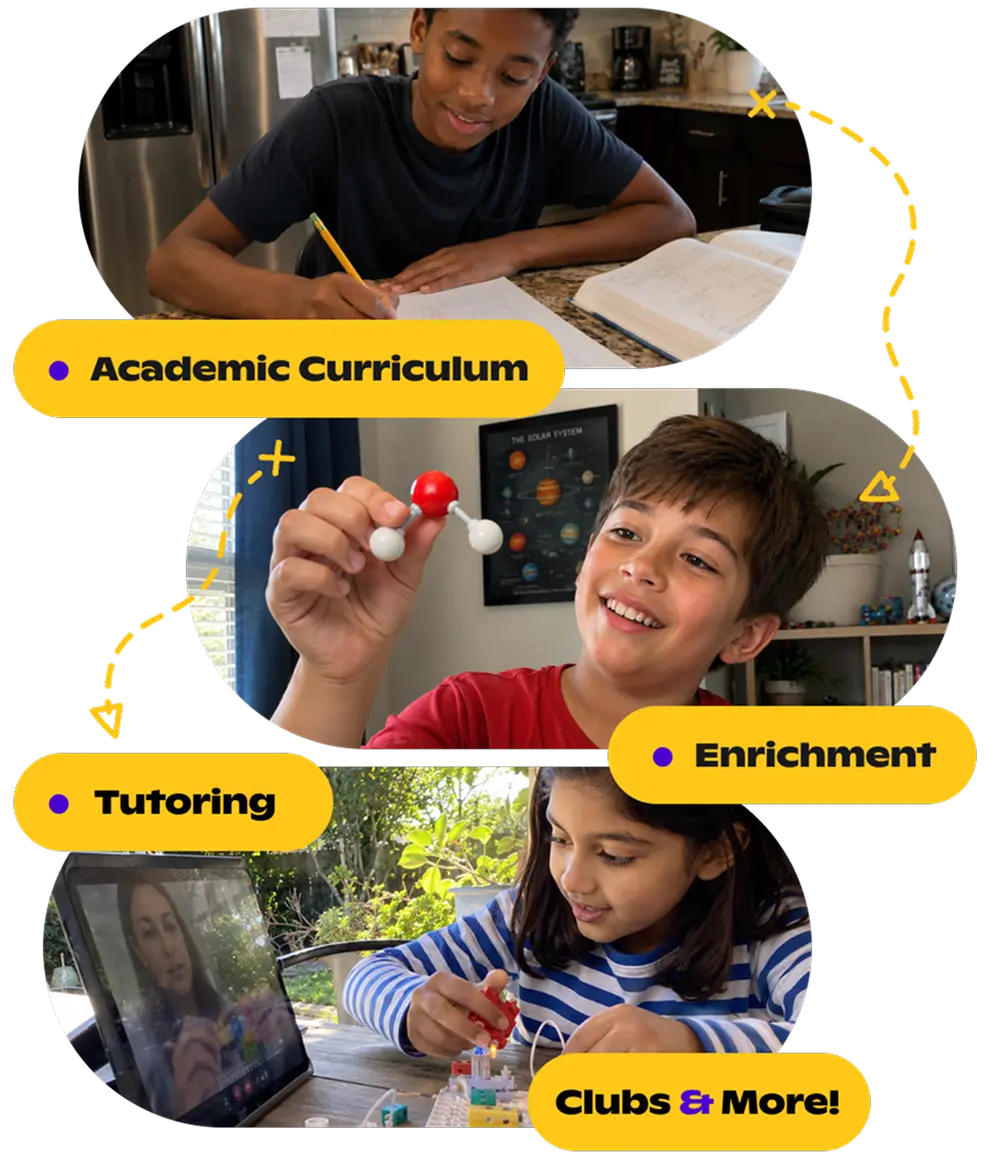
Nevada's minimal homeschool regulations create the perfect environment for families to explore innovative educational solutions. Online classes for homeschooling through Outschool work well with your Nevada homeschool plan, offering both structure and freedom to customize your child's learning experience.
- Choose from thousands of live, interactive courses that can supplement your curriculum or serve as your primary instruction method across all grade levels and subjects.
- Cover Nevada's required subjects and more with engaging sessions in English, math, science, and social studies, plus explore enrichment topics like coding, art, music, and foreign languages.
- Build a schedule that works for your family with courses offered at various times throughout the day.
- Support diverse learning needs with options designed for different learning styles, including courses for neurodiverse children.
- Simplify Nevada's recordkeeping requirements with automatic documentation through class transcripts, assignments, and teacher feedback.
- Expand learning opportunities beyond traditional subjects with specialized courses that might not be available locally.
With thousands of classes taught by passionate teachers, Outschool empowers you to meet Nevada's educational requirements while providing your child with a rich, personalized experience that grows with their interests and abilities.
$20 off your first class WITH promo code: blog
Build the Education your Kid Deserves
Discover thousands of live classes taught by expert teachers, across academics and enrichment.
Browse classesHow to get started
Ready to begin your homeschooling journey in Nevada? Follow these steps to get started with confidence and stay compliant with state requirements.
- Withdraw your child from public school if they're currently enrolled, and notify the school of your intent to homeschool.
- File your Notice of Intent to Homeschool with your county superintendent within 30 days of withdrawing from public school or within 30 days of starting homeschool if your child wasn't previously enrolled.
- Create an educational plan that outlines how you'll teach Nevada's required subjects and attach it to your Notice of Intent.
- Select your curriculum and resources based on your child's learning style and interests, with options ranging from traditional textbooks to online platforms like Outschool.
- Begin instruction and keep records by saving samples of your child's work, attendance records, and documentation of subjects covered for your personal files.
- Re-file your Notice of Intent if you move to a new county within Nevada to maintain compliance with local district requirements.
Find support through homeschool communities in Nevada
Building connections with other homeschooling families makes your journey more enjoyable and less overwhelming. Nevada homeschool support groups offer everything from legal guidance to curriculum advice, helping you feel confident with both compliance requirements and day-to-day teaching decisions.
Statewide organizations
Local groups and co-ops
Frequently asked questions (FAQs) about homeschooling in Nevada
What paperwork do I need to file to start homeschooling in Nevada?
You'll need to file a Notice of Intent with your local school district within 30 days of beginning homeschooling or withdrawing your child from public school. Along with the NOI, you'll submit an educational plan that outlines how you'll teach the required subjects.
Do Nevada homeschoolers have to take standardized tests?
No, Nevada homeschool laws don't require standardized testing for homeschooled students. You have the freedom to assess your child's progress using methods that work best for your family.
Can Nevada homeschoolers join public school sports or extracurricular activities?
Access to public school activities varies by district, so you'll want to contact your local school district directly to ask about their policies.
How do homeschoolers in Nevada graduate or receive a diploma?
As the parent, you decide when your child has completed their high school education, and you issue their diploma. You can create your own diploma, use one from a curriculum provider, or work with homeschool organizations that offer graduation ceremonies and official-looking diplomas. Homeschool diplomas are widely accepted by colleges and employers.
What records should I keep as a Nevada homeschool parent?
Keep samples of your child's work, attendance records, and documentation of the curriculum and instruction you provide. While Nevada doesn't require you to submit these records to the state, maintaining good documentation helps you track progress and provides proof of education if needed for college applications or other purposes.
Empower your Nevada homeschool journey
Nevada's homeschool laws give you the freedom to create a learning experience that matches your child's needs and interests. With minimal state oversight, you have the adaptability to design an educational path that works for your family. Explore Outschool's classes to find courses that align with your family's goals.



.svg)
.svg)